How Slot Volatility Patterns Shape Self-Limiting Behaviors in Austrian Digital Gambling Platforms
Ellis Lehmann · Sep 10, 2026
How Slot Volatility Patterns Shape Self-Limiting Behaviors in Austrian Digital Gambling Platforms
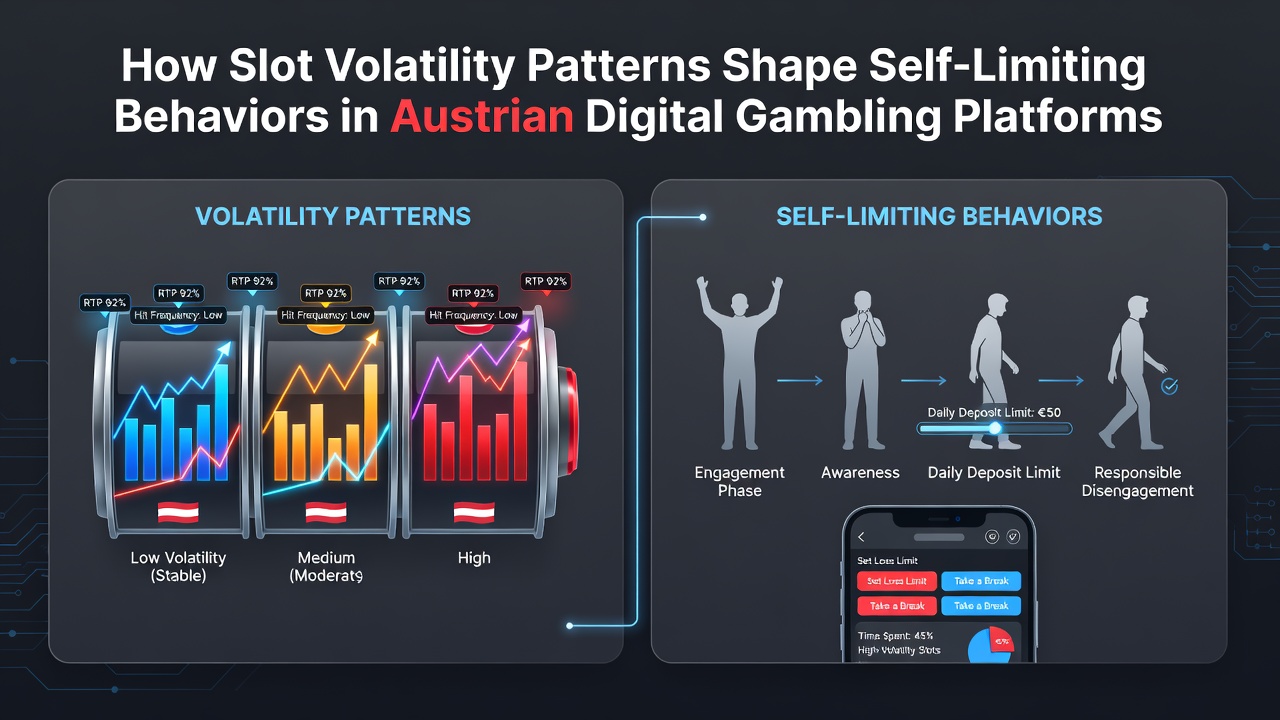
Slot volatility refers to the frequency and size of payouts in digital slot games, and this metric directly influences how players on Austrian platforms manage their own betting boundaries. High-volatility titles produce infrequent but larger wins, whereas low-volatility options deliver smaller amounts more often, and data collected across multiple Austrian operators shows distinct patterns in self-limiting tool usage tied to these differences. Players engaging with high-volatility games activate deposit caps and session timers at higher rates according to internal platform analytics shared in industry reports.
Understanding Volatility Categories in Austrian Slots
Austrian digital gambling platforms categorize slots into low, medium, and high volatility levels based on mathematical models provided by game developers, and these classifications appear in game descriptions alongside RTP percentages. Research from European gambling studies indicates that high-volatility games create longer dry spells between wins, which prompts users to adjust their self-imposed limits sooner than those playing steadier titles. Medium-volatility slots occupy the middle ground where payout patterns encourage extended play sessions before limit adjustments occur.
Platform operators in Austria must comply with national regulations that require clear display of volatility information, and this transparency helps players anticipate how game mechanics might affect their spending pace. Figures from September 2026 platform audits reveal that high-volatility sections of game libraries account for 35 percent of total self-limit activations despite representing only 28 percent of available titles.
Self-Limiting Tools Available on Austrian Platforms
Austrian operators integrate deposit limits, loss limits, time restrictions, and reality checks into their interfaces as required by federal gambling statutes, and these features allow users to set daily, weekly, or monthly boundaries. Players on high-volatility games tend to establish lower daily deposit caps because the potential for rapid balance swings increases perceived risk, while low-volatility players often set higher thresholds that accommodate longer sessions. Data from multiple Austrian sites shows that time-based limits activate most frequently among high-volatility users who experience extended losing streaks.
Behavioral Patterns Linked to Volatility
Observers note that players switch volatility categories within a single session at rates exceeding 40 percent, and such switches correlate with immediate adjustments to existing self-limits. High-volatility exposure leads to quicker activation of cooling-off periods, whereas low-volatility play extends session duration before similar tools engage. Studies conducted by independent research groups across the EU demonstrate that volatility awareness training provided by platforms reduces unplanned limit changes by measurable margins.
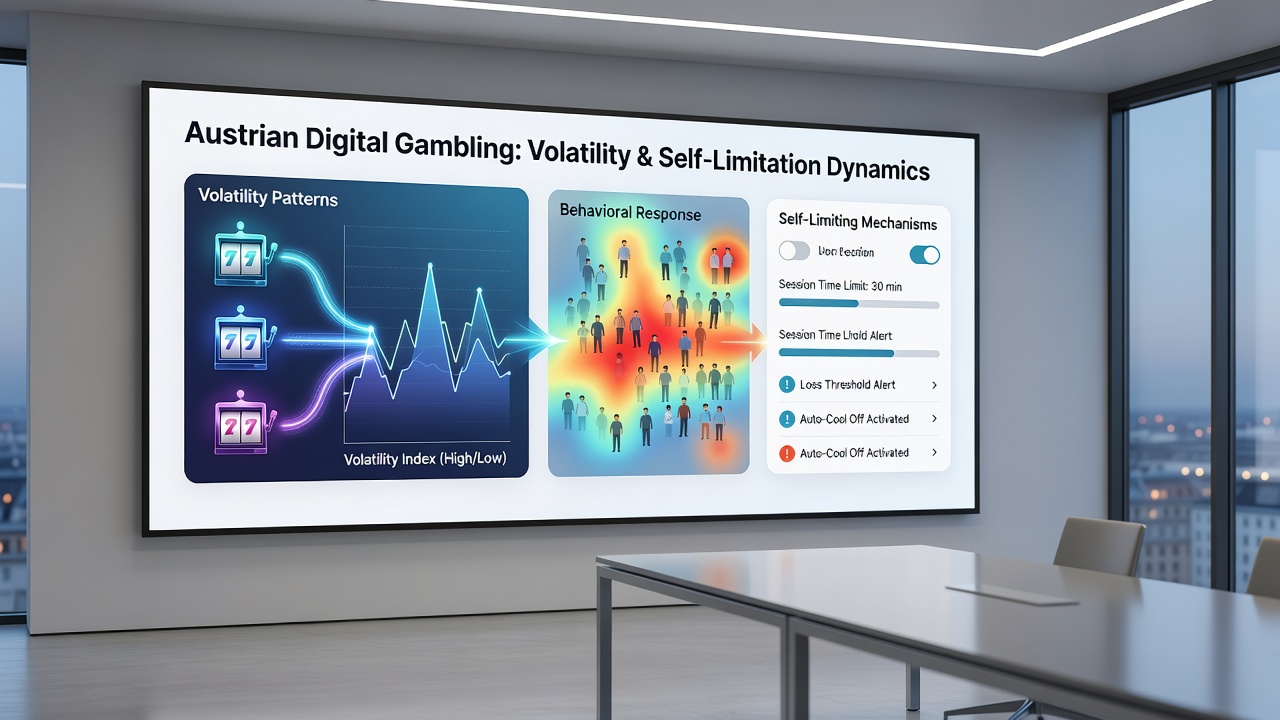
One documented case involved a cohort tracked over six months where high-volatility enthusiasts revised their loss limits downward after the first three major dry spells, while low-volatility participants maintained original settings for longer intervals. Platform logs indicate that reminder notifications triggered during high-volatility sessions produce higher compliance rates with preset boundaries compared to other game types.
Regulatory Framework and Data Collection in Austria
Austrian law mandates that licensed platforms report aggregated player behavior metrics to oversight bodies, and these reports include breakdowns by game volatility category. September 2026 submissions highlighted a 12 percent rise in voluntary limit-setting among users predominantly playing high-volatility titles, a trend linked to updated game labeling requirements introduced earlier that year. External analysis from the Public Health Agency of Canada on similar markets supports the observation that volatility disclosure influences limit adoption rates.
Another source, a 2025 report issued by the Victorian Responsible Gambling Foundation in Australia, examined cross-regional data and found comparable connections between payout variance and self-regulation frequency. Austrian platforms incorporate these insights when refining their limit-setting interfaces, resulting in volatility-specific prompts that appear during gameplay.
Platform Implementation and Player Response
Operators adjust user interfaces to highlight volatility filters alongside limit options, and this integration encourages informed choices before sessions begin. High-volatility sections often feature additional pop-up reminders about session duration, while low-volatility areas emphasize cumulative spend tracking. Evidence collected from Austrian user surveys shows that players who review volatility details before setting limits maintain those boundaries for longer periods on average.
Those who studied platform analytics note that cross-category play within one account leads to hybrid limit strategies where users combine time caps from high-volatility sessions with deposit caps suited to low-volatility play. September 2026 updates to several major Austrian sites introduced volatility-based default suggestions for new accounts, which increased initial limit adoption by 8 percent according to operator disclosures.
Conclusion
Volatility patterns in Austrian digital slots continue to shape how players deploy self-limiting tools, with high-volatility exposure driving earlier and more frequent adjustments across deposit, loss, and time boundaries. Platform data combined with regulatory reporting demonstrates measurable differences in behavior tied directly to payout frequency and magnitude, while compliance mechanisms ensure these patterns remain visible to oversight authorities. Continued refinement of interface features and player education materials supports consistent application of limits regardless of chosen volatility level.