Payment Gateway Reliability and Its Role in Austrian Digital Gambling Transactions
Morgan Coleman · Sep 24, 2026
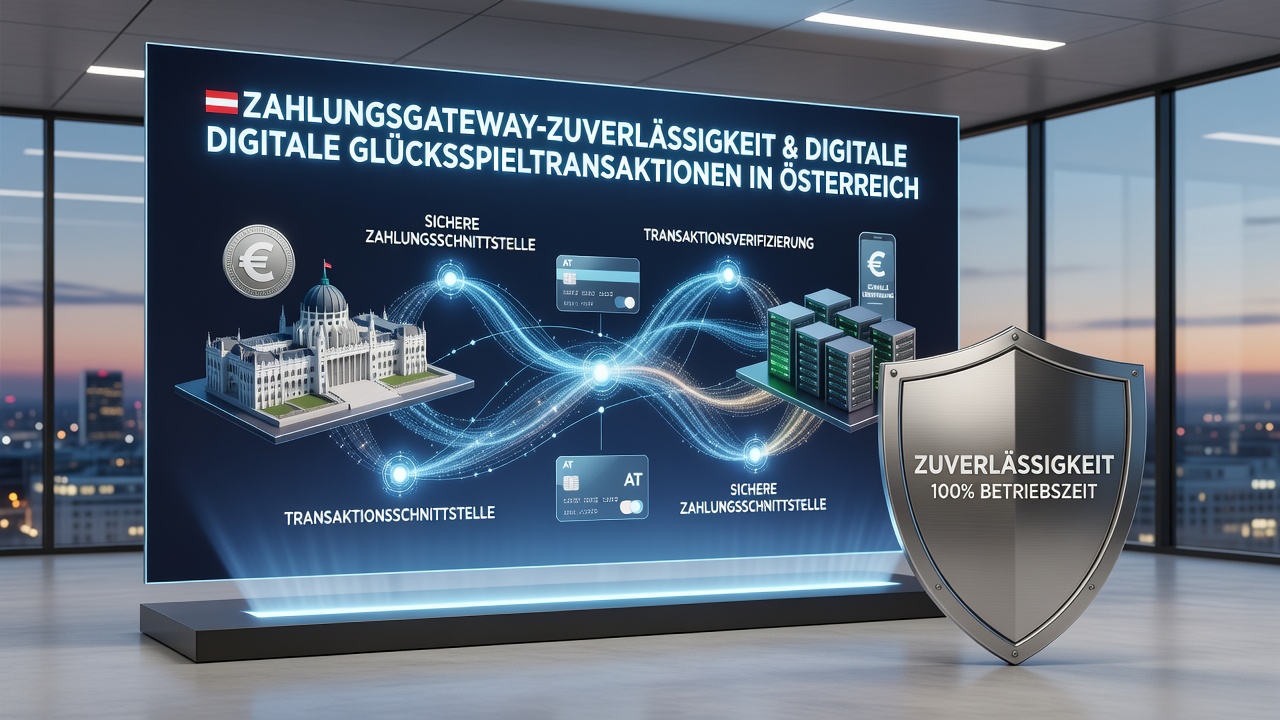
Payment Gateway Reliability and Its Role in Austrian Digital Gambling Transactions
Payment gateways function as the technical backbone that authorizes, processes, and settles financial transactions between Austrian players and licensed digital gambling operators, and they determine whether deposits clear instantly or withdrawals reach accounts without delays. In the Austrian market these systems must align with both national gambling statutes and the European Union's revised Payment Services Directive, which sets standards for authentication and data protection across member states. Observers note that reliability becomes measurable through metrics such as transaction success rates, average processing times, and frequency of failed authorizations, all of which affect player retention and operator revenue streams.
Core Components of Payment Gateway Reliability
Reliability rests on several technical layers that include real-time fraud detection algorithms, redundant server infrastructure, and integration with multiple acquiring banks so that a single point of failure does not halt operations. Data from industry monitoring services shows that gateways maintaining 99.8 percent uptime or higher experience fewer chargebacks and fewer player complaints, while lower-performing systems trigger increased scrutiny from Austrian regulatory bodies. Those who manage digital gambling platforms in Austria report that gateway providers offering tokenization and 3-D Secure 2.0 protocols reduce unauthorized transaction attempts by significant margins, and these measures also satisfy the strong customer authentication requirements mandated under EU rules.
Speed matters as much as uptime because Austrian players expect deposits to appear in gaming accounts within seconds and withdrawals to reach their bank accounts or e-wallets within one to three business days. Gateways that support instant bank transfers through local schemes such as EPS or direct debit options demonstrate higher completion rates during peak evening hours, whereas systems reliant solely on international card networks sometimes encounter temporary blocks when issuing banks apply additional verification steps.
Regulatory Framework Governing Transactions in Austria
Austrian gambling legislation requires that all licensed operators route payments through gateways that comply with anti-money laundering directives and that maintain detailed audit trails for every transaction above a defined threshold. The Austrian Financial Market Authority oversees adherence to these standards, and operators must demonstrate that their chosen gateways undergo regular penetration testing and maintain PCI DSS certification at the highest level. Figures released in mid-2026 indicated that platforms using gateways with built-in geographic restrictions and velocity checks recorded fewer regulatory incidents compared with those relying on less sophisticated providers.
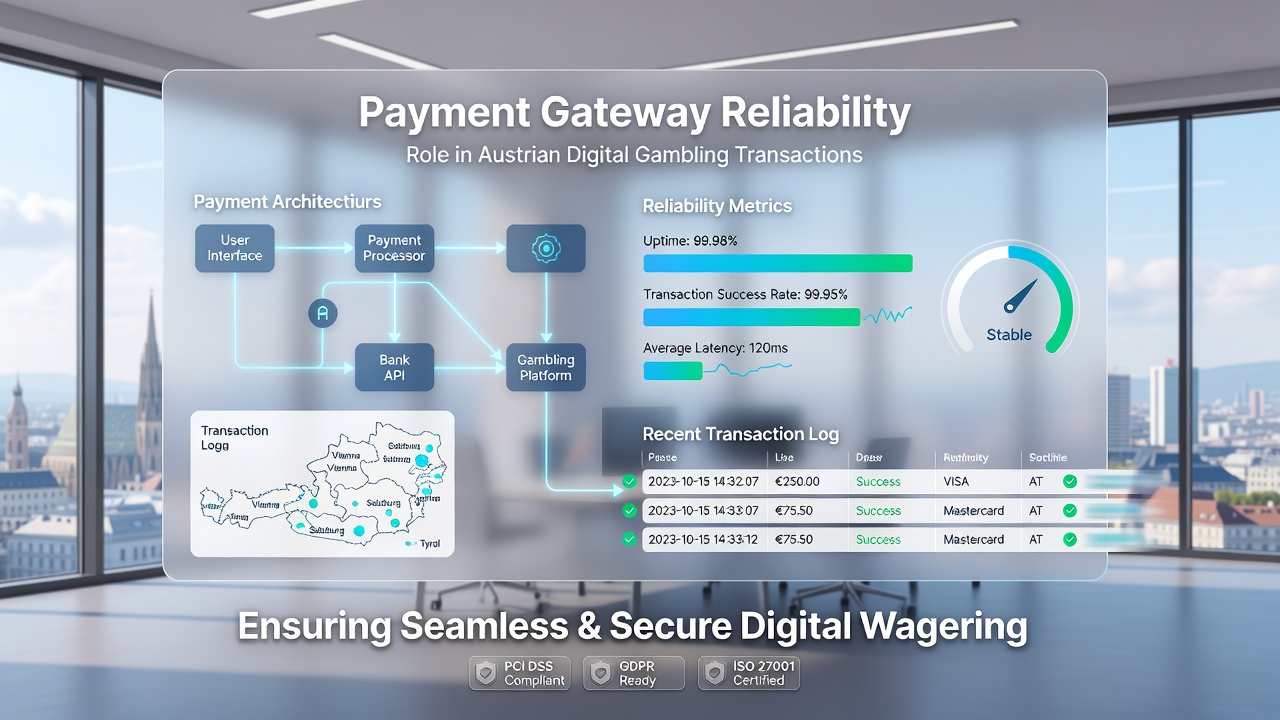
By September 2026 several Austrian-facing platforms had upgraded to gateways supporting open banking APIs, which allow direct verification of player funds without exposing card details, and early adoption data revealed a measurable drop in abandoned deposit attempts. These upgrades also align with the European Central Bank's ongoing push for safer retail payments across the eurozone, creating a consistent technical baseline that benefits both operators and players.
Impact on Player Experience and Platform Operations
When a gateway experiences even brief outages, Austrian players often migrate to competing sites that maintain uninterrupted service, and operators track these shifts through real-time analytics dashboards that flag payment-related drop-offs. Research conducted by European academic consortia on digital gambling behavior found that transaction friction correlates strongly with session length and overall spend, so reliable gateways indirectly support sustained engagement. Those who operate multi-jurisdictional platforms note that gateways offering localized payment methods such as Austrian bank transfers or prepaid vouchers achieve higher conversion rates than global card-only solutions, especially among users who prefer not to share card information with gambling sites.
Chargeback management represents another dimension of reliability because gateways equipped with sophisticated dispute-resolution tools help operators document legitimate transactions and reduce financial losses. Austrian regulations require operators to maintain records that demonstrate player consent and fund origin, and gateways that automatically attach these supporting documents during each transaction streamline compliance audits.
Emerging Trends and Technical Developments
Payment service providers have begun incorporating machine-learning models that analyze transaction patterns across thousands of Austrian accounts in real time, flagging anomalies before funds move. These models draw on aggregated data sets shared under strict privacy protocols, and early deployments in 2026 showed improved detection of mule accounts used for money laundering. At the same time, the rollout of the EU's digital euro pilot programs has prompted several gateway providers to test integration pathways that could eventually allow direct central-bank-backed transfers within gambling ecosystems.
Industry associations representing European gaming technology suppliers have published interoperability guidelines that encourage gateways to support a common set of APIs, thereby reducing integration costs for smaller Austrian operators. Observers tracking these developments point out that standardized interfaces also facilitate faster regulatory reporting, since transaction data can flow directly into oversight systems without manual reformatting.
Conclusion
Payment gateway reliability directly shapes the operational stability and regulatory standing of Austrian digital gambling platforms, and continued investment in secure, localized processing infrastructure remains essential as transaction volumes grow. Gateways that combine high uptime, rapid settlement, and compliance-ready reporting deliver measurable advantages for both operators and players while supporting the broader objectives of EU financial regulation. As new payment technologies mature, the Austrian market provides a clear case study of how technical reliability and regulatory alignment reinforce each other in a tightly supervised environment.